Peter van der Graaf, Ien van de Goor and Amanda Drake Purington
This blog post is based on the Evidence & Policy article, ‘Learning from failures in knowledge exchange and turning them into successes’, which introduces the Special Issue: ‘Learning from Failures in Knowledge Exchange’.
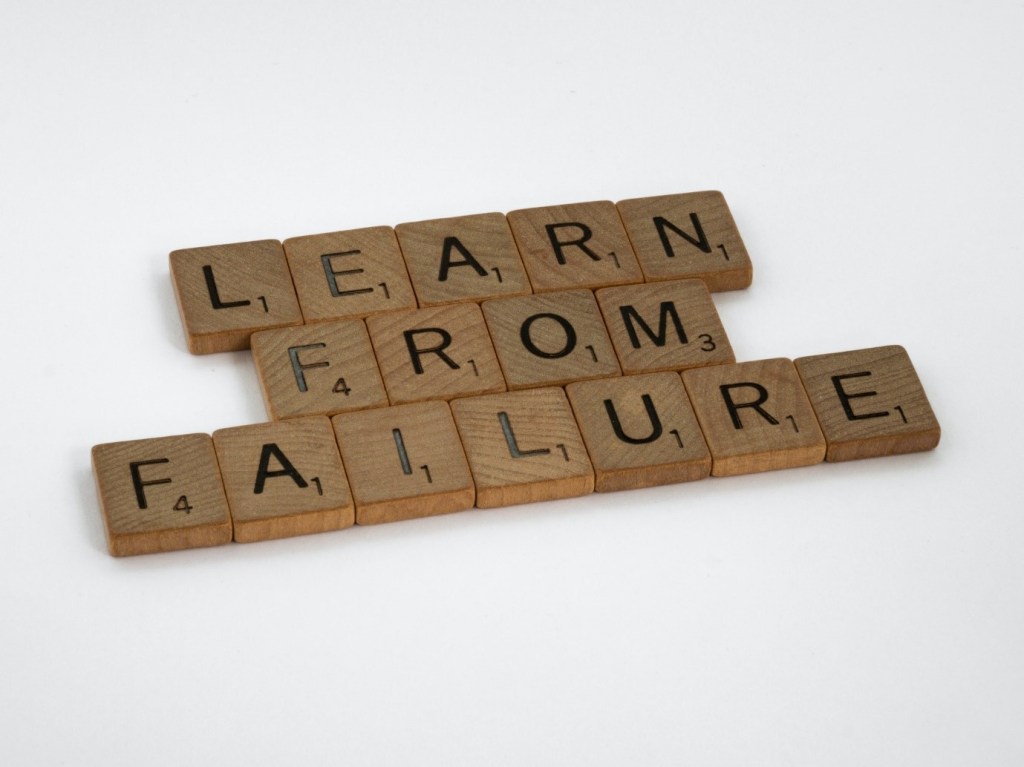
We don’t like talking about failures, as it signals loss of time, resources and reputation, but failures present opportunities for learning in knowledge exchange. However, this requires a ‘failure culture’ in academia and policy, in which failures are no longer avoided but actively encouraged. To learn how to turn failures into successes, we need to share and publish our failures, have early engagement with all stakeholders in the knowledge exchange process, and make more use of boundary spanners.
There are plenty of papers celebrating successes in knowledge exchange, but not many researchers and policy makers talk openly about their failures. However, learning from failures is just as important, if not more crucial, than celebrating successes. Allowing partners to reflect in a safe space on knowledge exchange practices and research projects gone wrong, in which communication broke down, partners did not engage or dropped out, and evidence was not taken up or ignored, will provide important lessons on how knowledge exchange practices and research can be improved.
At the 5th Fuse conference on knowledge exchange in public health, held in Newcastle, UK on 15-16 June 2022, we created such a space by bringing together over 100 academic researchers, policy makers, practitioners, and community members to share and reflect on thier failures and how to turn them into success. Our special issue brings together selected papers from the conference and papers that were submitted in response to an open call afterwards. From 23 original submissions from 14 different countries (including the UK, USA, Cananda, Norway, Switzerland, Kenya, Chile, South Korea, Canada and Portugal) and from a range of disciplines and areas of focus (Public Health, Primary Care, Oral Health, Sociology, Anthropology, Public Management, Policy-Making, and Community and Voluntary Sector), we invited four research papers and three practice papers for full submissions.
Continue reading →


 Evidence & Policy Blog