
Functional dialogues: guiding vaccination policy during COVID-19 through direct knowledge transfer


Katie Attwell, Tauel Harper and Chris Blyth

This blog post is based on the Evidence & Policy article, ‘Facilitating knowledge transfer during Australia’s COVID-19 vaccine rollout: an examination of ‘Functional Dialogues’ as an approach to bridge the evidence–policy gap’.

When the COVID-19 pandemic hit, we wanted to use our skills to help with the eventual vaccine rollout. Chris was already well-placed to do so. As Chair of Australia’s Technical Advisory Group on Immunisation (ATAGI), he had years of experience in aspects of vaccine policymaking. Katie was an emerging leader in vaccination social science and policy, and, like Chris, she had strong connections in the Western Australian Department of Health. They knew that the team focused on administering Australia’s National Immunisation Program would have their hands full with supporting the existing programme during COVID-19 times. How could they also prepare for a pandemic vaccine rollout?

Continue reading
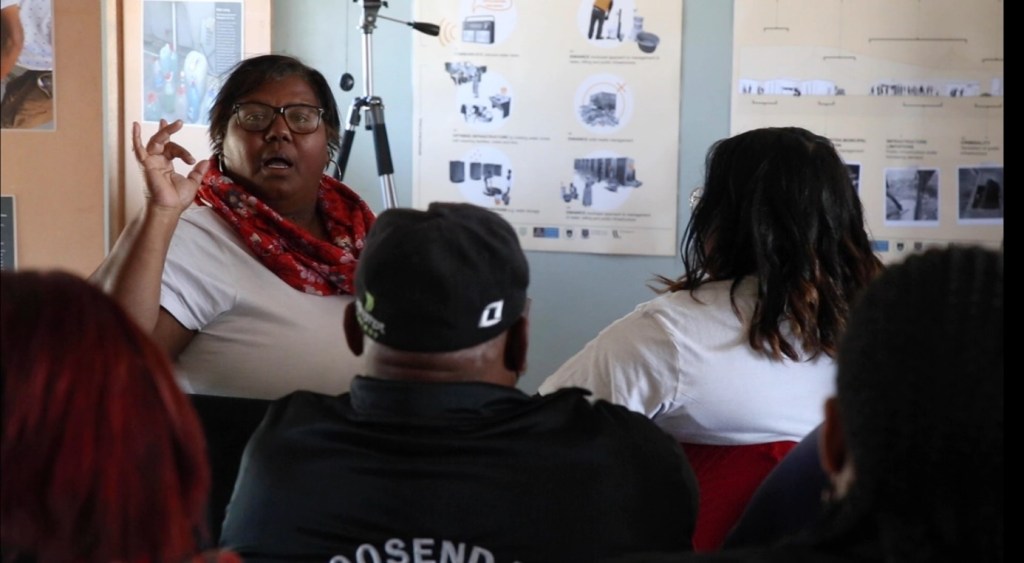
Shaping policy with climate resilience stories: Cape Town’s most affected speak for themselves


Laurence Piper, Gillian Black, Anna Wilson, Liezl Dick and Tsitsi Mpofu-Mketwa

This blog post is based on the Evidence & Policy article, ‘Policy engagement as ‘empowered representation’: democratic mediation through a participatory research project on climate resilience’.

Policy engagement is both a condition and moral obligation of publicly funded research projects in many countries, and our case in South Africa was no different. It was just relatively difficult.

In 2019 we won a UKRI grant to do participatory research on how people living in poor settlements in Cape Town experience and respond to the climate-related hazards of water scarcity, floods and fires. The idea was to work closely with affected community members in understanding how they coped with these disasters, and what they thought could be done better in the future, by themselves and with help from others. We discussed our experiences in our recent article in Evidence and Policy, and summarise some of them here.

These community participants then presented their experiences and ideas for climate resilience as ‘best bets’ to government officials in a series of deliberative workshops.

Continue reading