
Alina Potts
This blog post is based on the Evidence & Policy article, ‘Engaging refugee women and girls as experts: co-creating evidence on sexual exploitation and abuse in humanitarian crises using creative, participatory methods’, part of the Special Issue on Creativity and Co-production.
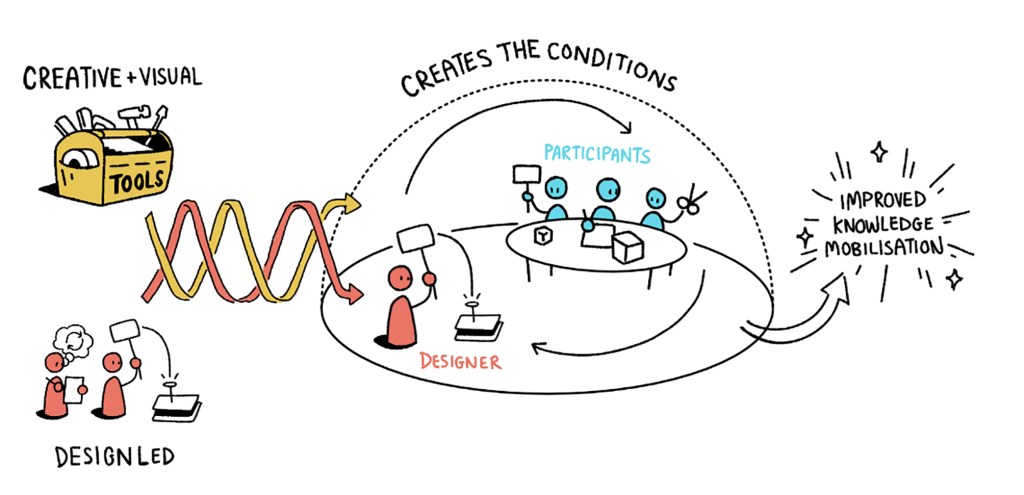
Efforts to build evidence on how best to deliver humanitarian assistance have grown over the past decade, at a time when the number of forcibly displaced people in the world has risen to over 84 million. Yet crisis-affected people are often left out of shaping the questions asked, and participating in answering them. Creative, participatory research methods can break down these silos and enable the co-production of evidence with displaced populations, and its uptake for practice and policy. The ‘Empowered Aid‘ study engages in participatory action research with refugee women and girls in Uganda and Lebanon to examine how to better prevent sexual exploitation and abuse (SEA) in aid delivery. Co-producing knowledge about violence with those most affected by it creates actionable evidence to reduce risks.
In humanitarian settings, pre-existing power imbalances due to gender, age, and other factors can be exacerbated. While women and children account for a large share of the displaced, they are often left out of decision making, despite the impact aid delivery has on their lives and their heightened risk of gender-based violence, including sexual exploitation and abuse (SEA). While a system of reporting and response has been put in place over the last two decades, many survivors are discouraged from using it due to a lack of access, information, and trust in the process or the organisations leading it. Accountability mechanisms have also focused on responding to abuses already perpetrated, rather than working to prevent them.
Continue reading

 Evidence & Policy Blog