
Big voter is watching you: how politicians evaluate expertise


Anina Hanimann

This blog post is based on the Evidence & Policy article, ‘How perceptions of voter control affect politicians’ evaluations of expertise in the news: a survey experiment on the role of accountability beliefs’.

The news serves as a crucial source of expertise for members of parliament (MPs), offering them cost-effective policy advice. However, the public nature of expertise in the news can significantly influence how MPs perceive and evaluate such expertise. Politicians who feel under intense scrutiny by their constituents may be more inclined to make decisions that align with public opinion, are easily justifiable, or simply appear to be the ‘right’ choice. These motivations can significantly shape the evaluation of expertise presented in the media.

My recent study in Evidence & Policy delves into this complex dynamic. I explore whether MPs’ assessments of expertise in news media differ depending on their perceptions of voter control. To investigate this, I analysed survey data from Swiss cantonal members of parliament, who were tasked with evaluating the credibility of expert statements.

Continue reading
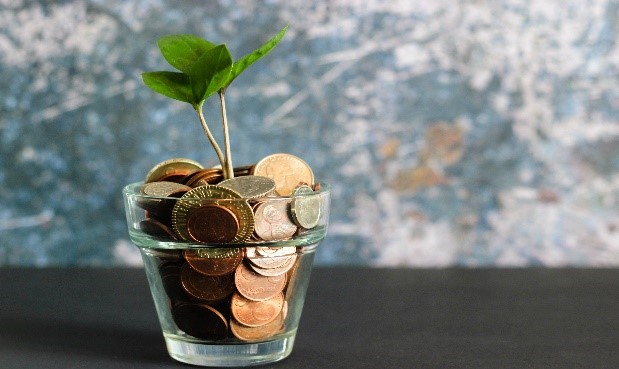
What would you sacrifice to reduce health inequalities?

Neil McHugh

This blog post is based on the Evidence & Policy article ‘Eliciting public values on health inequalities: missing evidence for policy windows?

What would you be willing to sacrifice to reduce health inequalities? What is the most you would be willing to give up for the introduction of a basic income? How does this compare to what you would trade off for an increase in Universal Credit? Does your support depend on the income and health implications of these policies? And on your own income and/or health status? At present, we do not know the answer to these questions. Arguably, providing answers could help create the conditions to improve current policies and/or introduce more radical policies for tackling health inequalities.

There is a health divide in the UK. Individuals who are poorer die earlier and have worse health than those who are better off. We have known this for many years. Yet despite health inequalities being a focus of research and policy, health gaps continue to widen. To tackle socio-economic inequalities in health we need macro policies that will change the socio-economic, cultural and environmental conditions of people’s lives. These policies could include, but are certainly not limited to, taking action to reduce homelessness, increasing the availability and accessibility of good quality and affordable social housing, introducing a basic income that supports a minimum income standard and implementing a more progressive taxation system. However, it is difficult to create the political conditions necessary to implement these types of policy. One form of evidence which could help facilitate policy change is knowledge of a specific type of public value – economic value – for non-health policies and their associated (non-)health outcomes. This evidence is currently missing from decision-making processes.

Continue reading