Kaitlin Brand, Shelby Flores-Thorpe, Yuzi Zhang, Amelia Roebuck, Tiffni Menendez, Rachel Linton, Taylor Bishop Scott, Max Crowley, Alexandra van den Berg and Deanna M. Hoelscher
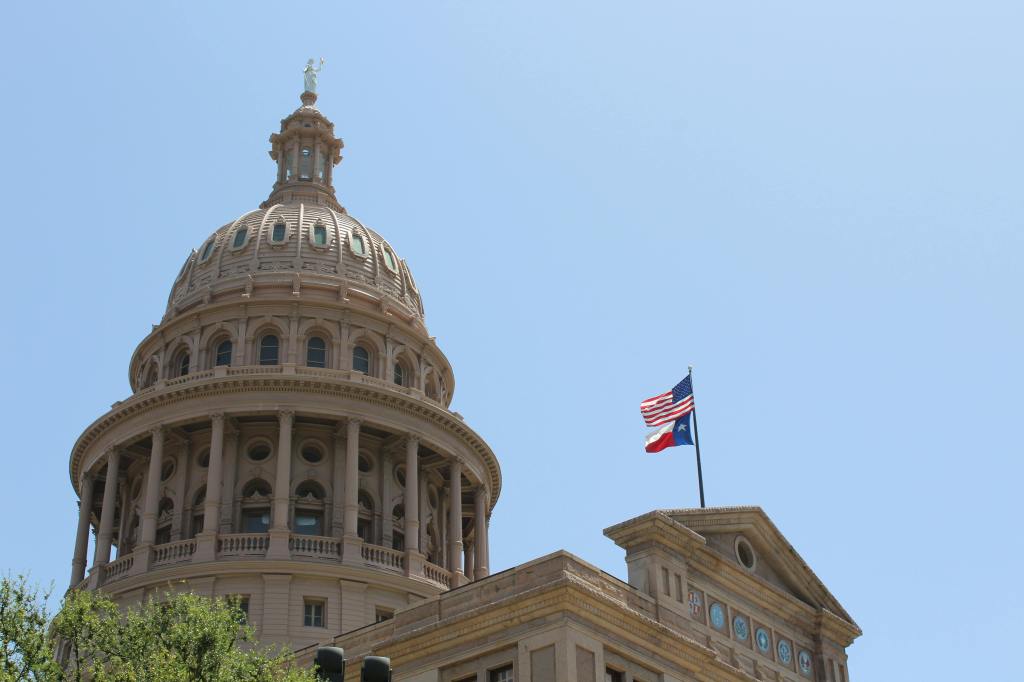
This blog post is based on the Evidence & Policy article, ‘Evaluation of researchers’ policy-related knowledge, needs and self-efficacy before and after the 2021 Texas Legislative Session’.
Evidence-based health policy has long shaped public health intervention in the United States. For example, smoke-free policies, first introduced in the 1970s, prevent exposure to second-hand smoke, and folic acid fortification of grain products in the late 1990s significantly reduced rates of spina bifida and neural tube defects in newborns.
Despite these successes, there’s still a considerable delay in the knowledge transfer of research to policy and practice. Many public health researchers want their work to inform health policy but face barriers to engagement with policymakers, such as different communication styles, decision-making frameworks, and timelines. Developing ongoing relationships and partnerships between researchers and decision-makers offers one solution as multiple studies suggest policymakers are more likely to use evidence to inform health policy when it comes from someone they know or respect.
Continue reading







 Evidence & Policy Blog